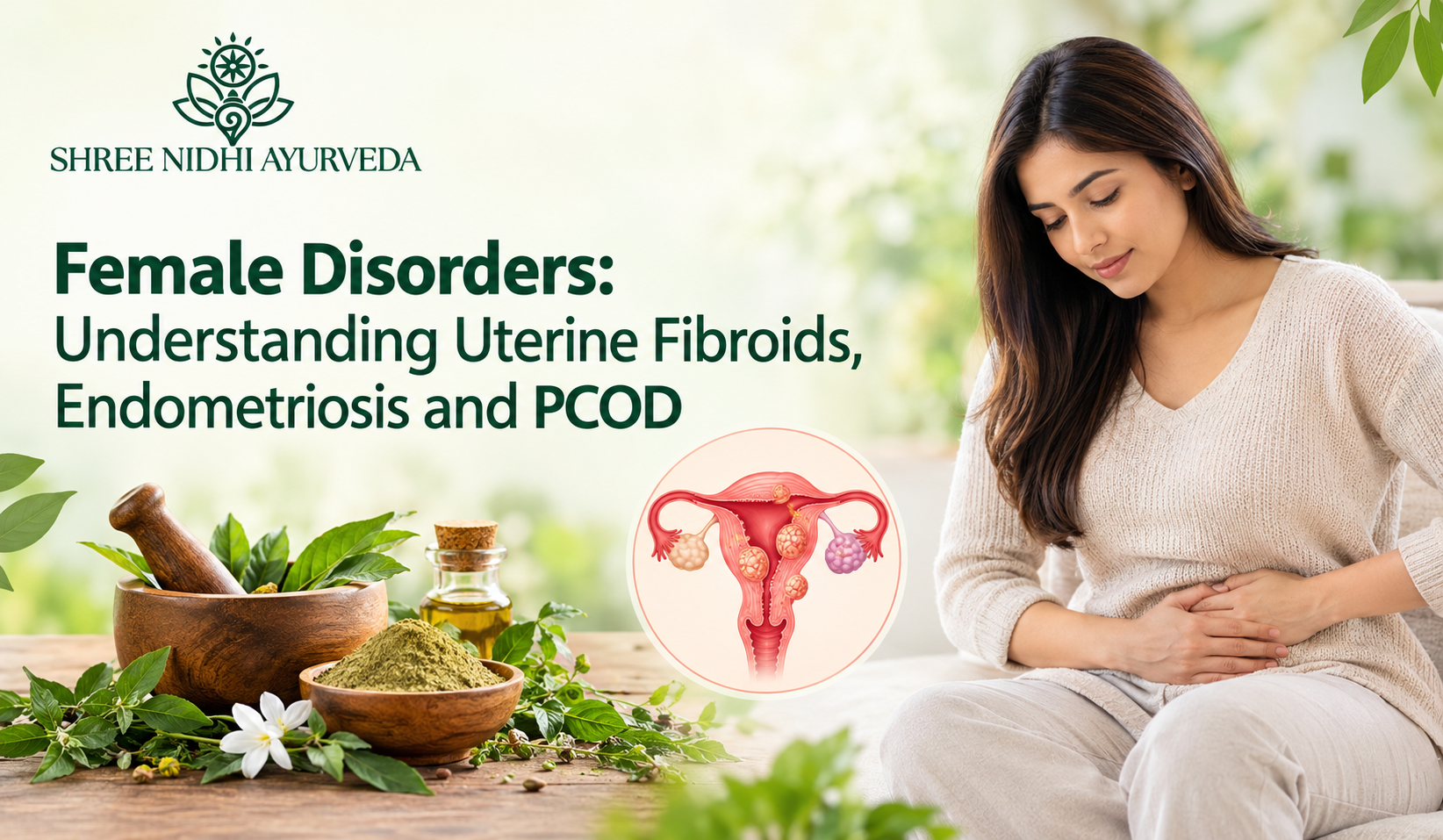
Among the common female reproductive health conditions are uterine fibroids, endometriosis and PCOD (Polycystic Ovarian Disease). Although these conditions can share some symptoms, they are different and require individual assessment and appropriate care.
Understanding these conditions is the first step towards making informed decisions about your health. With timely medical evaluation, suitable treatment and supportive lifestyle habits, many women can manage their symptoms and improve their quality of life.
What Are Female Reproductive Disorders?
Female reproductive disorders affect the uterus, ovaries or other parts of the reproductive system. Some are associated with hormonal changes, while others involve tissue growth or structural changes within the reproductive organs.
These conditions may affect menstrual cycles, daily activities, emotional health and fertility. However, experiencing one or more symptoms does not automatically mean you have a reproductive disorder. Proper medical evaluation is important to identify the cause.
Let's understand three common conditions that deserve greater awareness.
1. Uterine Fibroids: Symptoms, Causes and Management
What Are Uterine Fibroids?
Uterine fibroids are non-cancerous growths that develop in or around the uterus. They vary in size, from very small growths to larger masses that may affect the surrounding organs.
Some women have fibroids without experiencing noticeable symptoms, while others may experience discomfort that interferes with their daily routines.
Common Symptoms of Uterine Fibroids
The symptoms depend on the size, number and location of the fibroids. They may include:
- Heavy or prolonged menstrual bleeding
- Painful periods and pelvic discomfort
- Lower abdominal pressure or a feeling of fullness
- Frequent urination
- Lower back pain
- Discomfort during sexual intercourse
- Difficulty conceiving in certain cases
How Are Uterine Fibroids Managed?
A healthcare professional may recommend a pelvic examination, ultrasound or other investigations to assess the condition. Treatment depends on symptom severity, fibroid characteristics, age and future pregnancy plans.
Some fibroids require only regular monitoring, while others may need medication or a medical procedure.
Women interested in Ayurvedic care for uterine fibroids should consult a qualified practitioner and discuss any proposed treatment with their gynaecologist. Ayurvedic therapies should not replace necessary investigations or proven medical treatment, and claims that herbs can dissolve fibroids should be treated cautiously.
2. Endometriosis: Understanding Chronic Pelvic Pain
What Is Endometriosis?
Endometriosis is a condition in which tissue similar to the lining of the uterus grows outside the uterus, often around the ovaries, fallopian tubes and pelvic area.
This tissue can contribute to inflammation, pain and scar tissue formation. The condition varies from person to person, and its severity cannot always be judged by the intensity of symptoms alone.
Common Symptoms of Endometriosis
Women with endometriosis may experience:
- Severe menstrual cramps that affect everyday activities
- Persistent pelvic or lower back pain
- Pain during or after sexual intercourse
- Discomfort while passing urine or stools, particularly during periods
- Heavy menstrual bleeding in some cases
- Fatigue and reduced energy
- Difficulty getting pregnant in some women
These symptoms can affect work, relationships, sleep and emotional well-being. Persistent or severe period pain should not simply be dismissed as a normal part of menstruation.
Treatment and Support for Endometriosis
Diagnosis may involve a medical history, examination, ultrasound, MRI or, when appropriate, laparoscopy. A normal ultrasound does not always rule out endometriosis.
Treatment may include pain-relieving medication, hormonal treatment or surgery, depending on individual needs and fertility plans.
Supportive habits such as regular gentle exercise, adequate sleep, stress management and balanced nutrition may help general well-being. However, they do not cure endometriosis.
Women considering Ayurvedic treatment for endometriosis should seek an individual assessment from a qualified practitioner and coordinate care with a gynaecologist. There is not enough reliable evidence to establish Ayurveda as a cure for endometriosis.
3. PCOD: Understanding Hormonal Imbalance
What Is PCOD?
PCOD, commonly referred to as Polycystic Ovarian Disease, is a term widely used in India for ovarian and hormonal concerns. PCOS (Polycystic Ovary Syndrome) is the established medical term for a complex hormonal and metabolic condition.
PCOS can affect ovulation, menstrual regularity, skin health, hair growth and metabolism. Not every woman with irregular periods or ovarian cysts has PCOS, so an accurate diagnosis is important.
Common Symptoms of PCOD/PCOS
Symptoms may include:
- Irregular periods or missed menstrual cycles
- Acne and oily skin
- Excess facial or body hair
- Hair thinning or hair loss
- Weight gain or difficulty managing weight
- Difficulty conceiving due to irregular ovulation
- Signs of insulin resistance in some women
Not everyone experiences the same symptoms. PCOS may occur in women of different body sizes, and weight alone cannot confirm or exclude the condition.
How Can PCOD/PCOS Be Managed?
PCOD/PCOS can be managed through a combination of lifestyle modifications, medical guidance and individualized Ayurvedic care. Depending on the individual's health condition, supportive Ayurvedic therapies may include Abhyangam, Swedanam, Uttar Basti and other suitable Panchakarma therapies under qualified professional supervision.
A balanced diet, regular physical activity, proper sleep and stress management can also support overall health. Ayurvedic therapies should complement, not replace, appropriate medical treatment.
Ayurvedic support for PCOD may be explored as a complementary approach after consultation with a qualified practitioner. Herbal medicines can have side effects and interactions, so they should not be started without professional guidance. Ayurveda should not be presented as a guaranteed cure or a substitute for evidence-based PCOS management.
Key Differences Between Fibroids, Endometriosis and PCOD
Although these conditions may cause menstrual irregularities, pelvic discomfort or fertility concerns, they affect the body differently.
- Uterine fibroids: Non-cancerous growths in or around the uterus.
- Endometriosis: Tissue similar to the uterine lining grows outside the uterus and may cause inflammation and pain.
- PCOD/PCOS: A condition commonly associated with hormonal and ovulatory changes, with possible metabolic effects.
Because symptoms can overlap, self-diagnosis is not recommended. A medical assessment can help distinguish between these conditions and identify the most appropriate care.
Ayurvedic Lifestyle Support for Women's Health
Ayurveda emphasises individualised care, daily routines, diet and overall well-being. At Shree Nidhi Ayurveda, consultations are designed around personal health history, lifestyle and individual needs.
Some general habits that support women's health include:
Follow a Balanced Diet
Include vegetables, fruits, whole grains, pulses, healthy fats and adequate protein. Women experiencing heavy menstrual bleeding should discuss possible iron deficiency with their healthcare professional.
Stay Physically Active
Walking, yoga and other suitable physical activities can support cardiovascular health, mood, sleep and metabolic health. Choose activities that match your ability and comfort level.
Prioritise Sleep and Stress Management
Maintain a regular sleep schedule and consider relaxation practices such as gentle yoga, breathing exercises or meditation.
Seek Personalised Professional Guidance
Do not take herbal supplements or begin Panchakarma procedures without an appropriate consultation, particularly if you are pregnant, trying to conceive or taking medication. Evidence for treating fibroids, endometriosis and PCOS with specific Ayurvedic interventions remains limited.
When Should You Consult a Healthcare Professional?
Consult a gynaecologist if you experience persistent pelvic pain, unusually heavy periods, repeated missed periods, severe menstrual cramps or difficulty conceiving.
Seek urgent medical attention for severe or sudden pelvic pain, fainting, or very heavy bleeding accompanied by dizziness or weakness.
Early evaluation can help identify the cause of your symptoms and prevent delays in appropriate care.
Frequently Asked Questions (FAQs)
1. Can uterine fibroids, endometriosis and PCOD affect fertility?
Yes, all three conditions may affect fertility in some women, but the impact varies. Many women with these conditions can conceive. Early evaluation and individualised treatment can help guide fertility planning.
2. Can Ayurveda cure female reproductive disorders?
There is currently insufficient reliable evidence to establish Ayurveda as a cure for uterine fibroids, endometriosis or PCOS. Individualised Ayurvedic care may be considered for general well-being alongside appropriate medical assessment and treatment.
3. Is an irregular period always a sign of PCOD?
No. Irregular periods may result from several factors, including stress, thyroid disorders, pregnancy and hormonal changes. A healthcare professional can help determine the underlying cause.
4. What lifestyle changes may support hormonal health?
A balanced diet, regular physical activity, sufficient sleep and stress management can support overall health. These habits are helpful but cannot replace condition-specific treatment when needed.
Conclusion
Uterine fibroids, endometriosis and PCOD are different conditions, but each can affect a woman's comfort, confidence and quality of life. Recognising symptoms, seeking timely medical advice and following an appropriate care plan are important steps towards better reproductive health.
At Shree Nidhi Ayurveda, women can explore personalised Ayurvedic consultations and lifestyle guidance based on their individual needs. If you are experiencing menstrual or reproductive health concerns, consult a qualified healthcare professional to understand your options and make informed decisions about your care.