
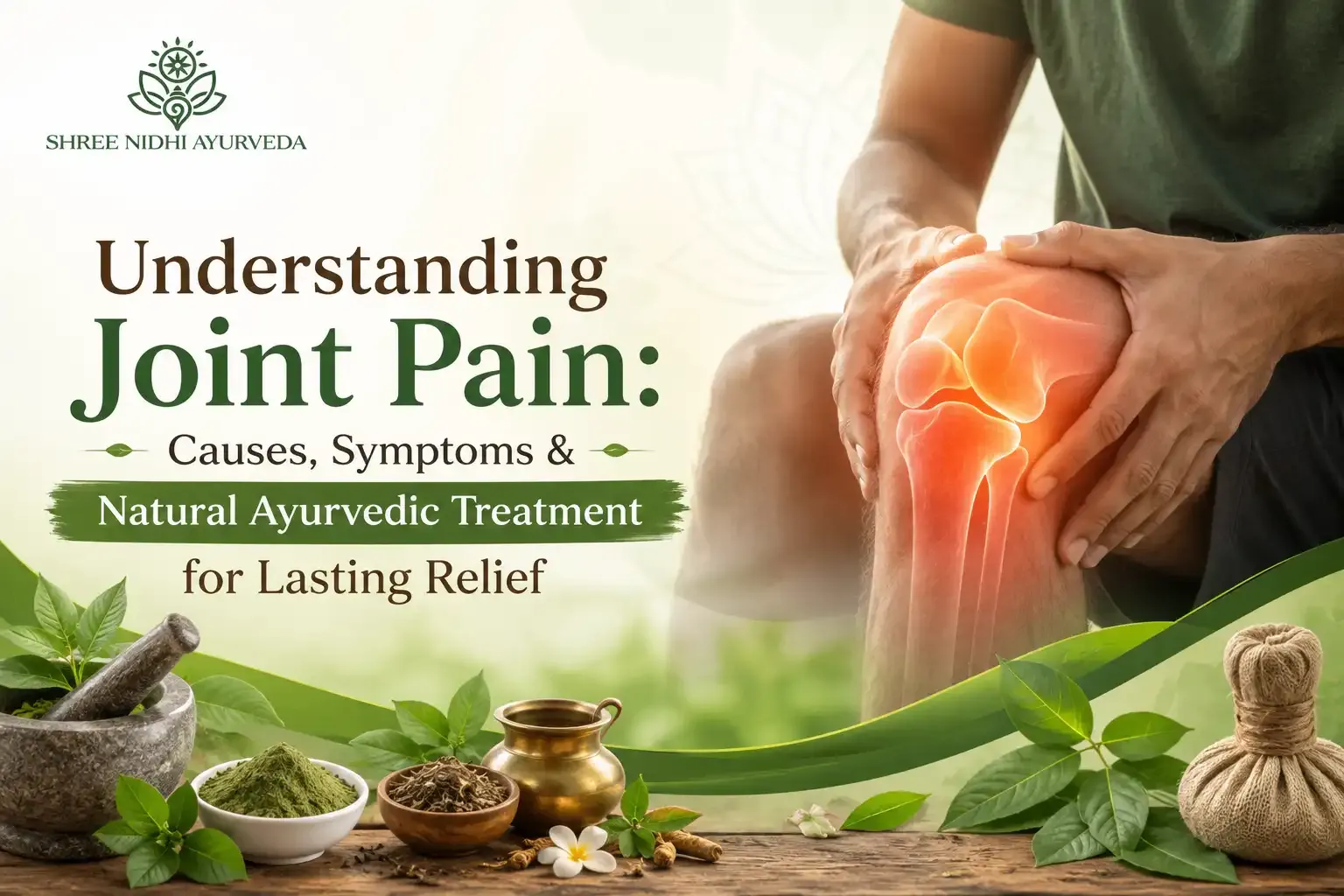
Ayurveda, India's ancient system of natural healing, focuses on identifying the root cause of joint pain rather than simply managing the symptoms. Through personalised herbal medicines, dietary guidance, Panchakarma therapies, and lifestyle improvements, Ayurveda offers a holistic approach to joint health.
In this guide, we will explore the common causes of joint pain, its symptoms, and how Ayurvedic treatment can help restore mobility and improve your quality of life naturally
What is Joint Pain?
Joint pain refers to discomfort, stiffness, or inflammation in one or more joints where two bones meet. It can affect small joints such as fingers and wrists or larger joints like the knees, hips, shoulders, and ankles.
The pain may be temporary due to an injury or become chronic because of conditions such as arthritis or autoimmune disorders. Ignoring persistent joint pain may lead to reduced mobility and difficulty performing everyday activities.
Common Causes of Joint Pain
Several factors can contribute to joint pain. Understanding the underlying cause helps in choosing the most effective treatment.
Osteoarthritis
This is one of the most common causes of joint pain, especially among older adults. It occurs when the protective cartilage gradually wears away, causing bones to rub against each other.
Rheumatoid Arthritis
An autoimmune disorder where the immune system attacks healthy joints, leading to inflammation, swelling, and pain.
Gout
A condition caused by excessive uric acid accumulation, resulting in sudden and severe joint pain, often affecting the big toe.
Injury
Sports injuries, fractures, ligament tears, or accidents can damage joints and cause temporary or long-term pain.
Obesity
Excess body weight places additional pressure on weight-bearing joints such as the knees and hips, increasing the risk of degeneration.
Vitamin Deficiency
Low levels of Vitamin D and calcium can weaken bones and contribute to joint discomfort.
Sedentary Lifestyle
Lack of regular physical activity reduces flexibility and weakens muscles supporting the joints.
Common Symptoms of Joint Pain
Recognising symptoms early can help prevent complications.
Some common symptoms include:
- Persistent pain around one or multiple joints
- Morning stiffness lasting several minutes
- Swelling around affected joints
- Difficulty walking or climbing stairs
- Reduced range of motion
- Warmth or redness around the joint
- Clicking or grinding sensation during movement
- Weakness in surrounding muscles
If these symptoms continue for several weeks, professional evaluation is recommended.
Risk Factors That Increase Joint Problems
Although anyone can develop joint pain, certain factors increase the likelihood:
- Increasing age
- Previous joint injuries
- Family history of arthritis
- Excess body weight
- Poor posture
- Physically demanding occupations
- Lack of exercise
- Autoimmune disorders
- Nutritional deficiencies
How Ayurveda Understands Joint Pain
According to Ayurveda, joint pain is primarily linked to an imbalance of Vata Dosha. When Vata increases due to improper diet, stress, ageing, or unhealthy routines, it causes dryness, stiffness, and degeneration in the joints.
If toxins, known as Ama, accumulate in the body because of poor digestion, they combine with aggravated Vata and settle in the joints, leading to inflammation, swelling, and pain.
Instead of only suppressing symptoms, Ayurveda focuses on:
- Correcting dosha imbalance
- Eliminating toxins
- Improving digestion
- Strengthening joints naturally
- Preventing recurrence
This comprehensive approach promotes long-term wellness rather than temporary relief.
Ayurvedic Treatment for Joint Pain
Ayurvedic treatment is personalised according to an individual's body constitution and the severity of symptoms.
Herbal Medicines
Traditional Ayurvedic herbs help reduce inflammation and strengthen joints naturally. Commonly recommended herbs include:
- Ashwagandha
- Shallaki
- Guggulu
- Rasna
- Nirgundi
- Turmeric
- Ginger
These herbs have been used for centuries to support healthy joints and mobility.
Panchakarma Therapy
Panchakarma is a detoxification therapy that removes accumulated toxins from the body.
Some beneficial therapies include:
- Abhyanga (medicated oil massage)
- Swedana (herbal steam therapy)
- Janu Basti for knee pain
- Kati Basti for lower back pain
- Patra Pinda Sweda
These therapies improve circulation, reduce stiffness, and nourish affected joints.
Ayurvedic Diet
Food plays a major role in managing joint pain.
Recommended foods include:
- Warm cooked vegetables
- Fresh fruits
- Turmeric milk
- Ginger tea
- Whole grains
- Sesame seeds
- Healthy fats like ghee
Avoid:
- Processed foods
- Excess sugar
- Cold beverages
- Deep-fried foods
- Excessive junk food
Lifestyle Improvements
Simple lifestyle changes can significantly improve joint health.
- Practice yoga regularly.
- Maintain a healthy body weight.
- Stay physically active.
- Sleep for 7–8 hours daily.
- Reduce stress through meditation.
- Avoid prolonged sitting.
Benefits of Ayurvedic Treatment
Choosing Ayurveda offers several long-term advantages.
Natural Healing
Ayurveda uses herbs and traditional therapies that support the body's own healing process.
Root Cause Treatment
Instead of only masking pain, treatment focuses on correcting the underlying imbalance.
Improved Mobility
Regular therapy helps improve flexibility and joint movement.
Reduced Dependence on Painkillers
Many people seek Ayurveda to minimise long-term use of conventional pain medications under medical guidance.
Better Overall Health
Ayurveda promotes healthy digestion, improved immunity, and balanced lifestyle habits alongside joint care.
When Should You Consult an Ayurvedic Expert?
Consult a qualified Ayurvedic practitioner if you experience:
- Joint pain lasting more than two weeks
- Swollen joints
- Difficulty walking
- Severe morning stiffness
- Recurrent knee pain
- Shoulder pain affecting daily activities
- Persistent back pain
- Arthritis symptoms
Early diagnosis often leads to better treatment outcomes.
Why Choose Shree Nidhi Ayurveda?
Shree Nidhi Ayurveda combines authentic Ayurvedic principles with personalised patient care. Every treatment plan is designed according to the individual's health condition, body constitution, and lifestyle.
Patients receive comprehensive guidance that may include:
- Detailed health consultation
- Individualised herbal treatment
- Panchakarma therapies
- Dietary recommendations
- Lifestyle counselling
- Ongoing health monitoring
The clinic focuses on helping patients regain mobility, reduce discomfort naturally, and improve their overall quality of life through holistic Ayurvedic care.
Frequently Asked Questions
Can Ayurveda cure joint pain permanently?
The effectiveness of treatment depends on the underlying condition and overall health. Ayurveda aims to address the root cause, reduce symptoms, and improve long-term joint function.
Is Ayurvedic treatment safe?
When prescribed by a qualified Ayurvedic practitioner, treatments are generally considered safe and are tailored to the individual's needs.
How long does treatment take?
The duration varies depending on the severity of the condition, age, lifestyle, and response to therapy.
Can young people develop joint pain?
Yes. Poor posture, obesity, injuries, excessive screen time, and nutritional deficiencies can contribute to joint pain even in younger individuals.
Does diet matter during treatment?
Yes. Following an Ayurvedic diet can support digestion, reduce inflammation, and enhance the effectiveness of treatment.
Conclusion
Joint pain should never be ignored, as it can gradually affect mobility, independence, and overall well-being. While temporary relief may ease discomfort for a short time, identifying and treating the underlying cause is essential for lasting recovery.
Ayurveda offers a natural, holistic approach by addressing dosha imbalance, removing toxins, improving digestion, and strengthening the joints through herbal medicines, therapeutic treatments, and healthy lifestyle practices. With the right guidance and consistent care, many people experience better flexibility, reduced discomfort, and improved quality of life.
If you are looking for a natural approach to managing joint pain, consulting the experienced Ayurvedic professionals at Shree Nidhi Ayurveda can be the first step towards healthier, stronger, and more flexible joints.